The Glen vs Glenview Neighborhoods: How to Choose
If you are trying to choose between The Glen and classic Glenview homes, you are not just comparing addresses. You are comparing two very different ways of living in the same village. One offers a newer, master-planned feel with clustered amenities, while the other offers a more established residential setting shaped over decades. Understanding those differences can help you focus your search, set realistic expectations, and buy with more confidence. Let’s dive in.
The Glen is a newer, master-planned district created after Naval Air Station Glenview closed in the 1990s. The Village adopted a land-use plan for the redevelopment in 1998, and the area was built with a more intentional mix of homes, parks, retail, and entertainment.
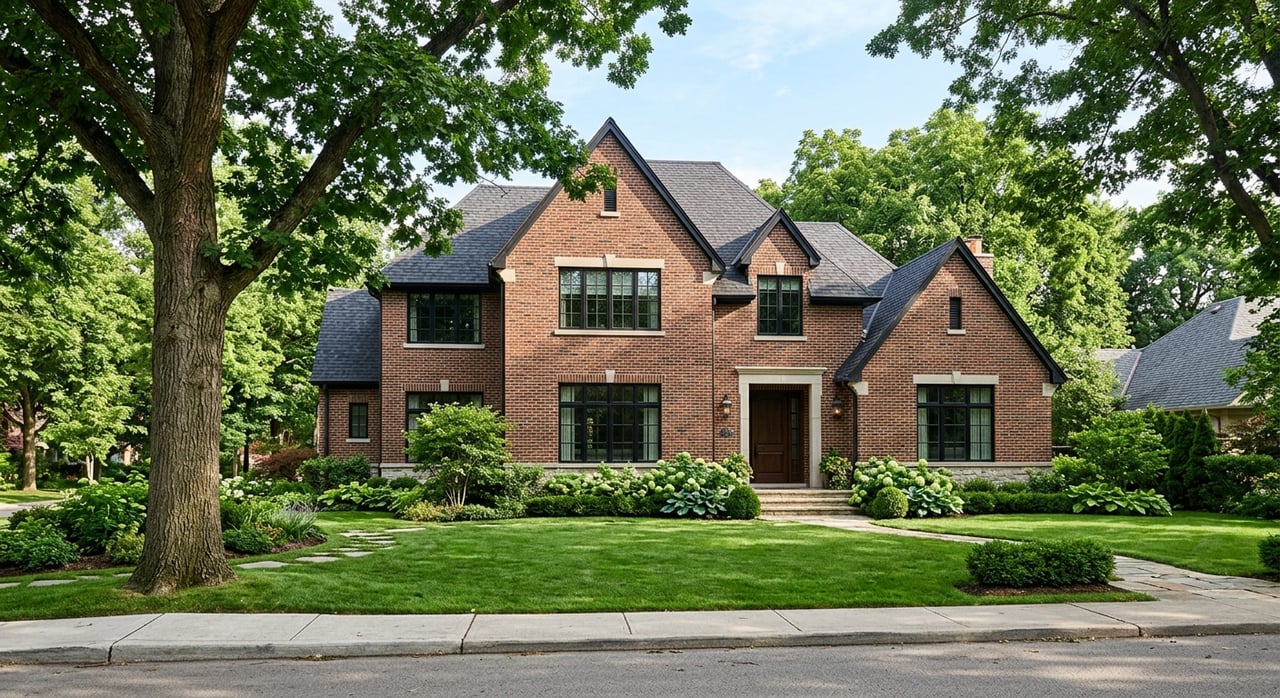
Classic Glenview is a broader label for the village’s older residential areas, especially around the historic downtown and long-standing street grid. Instead of one unified plan, these neighborhoods developed more organically over time, which is why they tend to feel more varied from block to block.
For you as a buyer, that distinction matters. It shapes the type of home you are likely to find, how much upkeep you may want to take on, how easy it is to walk to daily conveniences, and what kind of neighborhood character fits your lifestyle.
If you want newer construction or a more maintenance-light setup, The Glen may stand out right away. Residential options in and around The Glen include luxury apartments, rowhomes, mews townhomes, and single-family cluster homes.
That range gives you more attached-living options than many buyers expect. The Glen is not just apartments or condos. It includes several housing formats that can appeal to buyers who want a newer home with less exterior maintenance and easier access to nearby amenities.
Glenview as a whole is still dominated by detached single-family homes. Census estimates in the research show 11,861 one-unit detached homes, along with 2,640 one-unit attached homes and 2,978 units in structures with 20 or more units.
The village housing stock also skews older, with the largest build-era groups dating to the 1950s, 1960s, and 1970s. In practical terms, that makes classic Glenview the better shorthand for buyers looking at mature homes, a wider mix of architectural eras, and more variation in lot size and renovation level.
One of The Glen’s clearest advantages is how intentionally it was designed. The Glen Town Center sits within a 1,200-acre master-planned community and includes retail, entertainment, and residential uses in one broader district.
The Town Center is described as having about 1,150,000 square feet of shops, entertainment venues, and residential areas, with pedestrian-oriented parkways and sidewalks connecting residents to those spaces. If your ideal day includes being able to get out for a walk, spend time in nearby public spaces, and stay close to errands or dining, this setup may feel very convenient.
Gallery Park adds a major outdoor amenity to the area. According to the Glenview Park District, it includes 142 acres of open space, 1.8 miles of walking paths, Lake Glenview, tennis courts, pickleball courts, and non-motorized boating access.
Classic Glenview offers a different kind of appeal. The village describes downtown Glenview as its historic commercial center, and that older core can offer a more traditional village feel in some areas.
That said, walkability is not uniform across classic Glenview. The Village notes that the Waukegan Road section of downtown is designed for efficient automobile movement, while the Glenview Road section is smaller in scale and more village-oriented. So if walkability is high on your list, it is worth looking closely at the specific pocket rather than assuming all older parts of town feel the same.
Transit access is one of the strengths of Glenview overall. The village has two Metra stations on the Milwaukee District North line: Downtown Glenview at 1116 Depot Street and Glen of North Glenview at 3000 Old Willow Road.
That means both The Glen and classic Glenview can make sense for commuters. You are not choosing between a transit-accessible area and a transit-limited one. You are choosing between two different transit contexts.
For many buyers, The Glen’s advantage is not just the station itself. It is the clustering of the station with retail, entertainment, sidewalks, and nearby residential options.
The Residence at Glen Town Center also highlights proximity to the Metra rail station and O’Hare. If you value having multiple day-to-day conveniences grouped close together, The Glen may feel more seamless.
Classic Glenview still works well for many buyers who want commuter access. The Village is also investing in downtown revitalization, including streetscape upgrades, redevelopment sites, and support for new restaurants near the downtown Metra station.
If you are drawn to an established neighborhood setting and still want rail access, this part of Glenview deserves a close look. The right fit often comes down to whether you want the master-planned convenience of The Glen or the older, village-centered character of traditional Glenview.
Current market snapshots in the research suggest The Glen is priced above Glenview overall. Realtor.com reported a median listing home price of about $772,500 for homes in The Glen compared with about $665,000 for Glenview overall.
It is important to treat those numbers as directional rather than absolute. They come from a single market snapshot, so they are most useful as a general signal that The Glen often commands a premium tied to its newer housing stock, amenity density, and planned environment.
A higher list price does not automatically mean better value for every buyer. If you prioritize newer homes, attached options, easier upkeep, and nearby shops and parks, that premium may make sense for your goals.
On the other hand, if you want a detached home, a more private yard, or a neighborhood that feels established rather than newly planned, classic Glenview may offer the stronger value proposition for your lifestyle. The better choice depends less on price alone and more on how you live.
Neither option is universally better. They simply serve different priorities.
If you are deciding between The Glen and classic Glenview, start with how you want your week to feel. Think about your commute, how often you want to walk to errands or dining, how much home maintenance you are comfortable with, and whether you prefer a newer planned setting or an older neighborhood pattern.
Then compare home type, price point, and location together. In Glenview, those factors are closely connected. A newer attached home in The Glen and an older detached home in classic Glenview may appeal to the same buyer on paper, but they can deliver very different day-to-day experiences.
Glenview as a whole also gives you a strong amenity base, with 34 parks and playgrounds covering more than 290 acres. That broader village infrastructure supports both The Glen and the older parts of town, which is one reason buyers continue to see Glenview as a practical and livable place to put down roots.
If you are weighing these two paths and want a clearer read on which homes best match your budget and lifestyle, The Wexler Gault Group can help you compare your options with local insight and a thoughtful, tailored approach.
CONTACT THE WEXLER GAULT GROUP
THE WEXLER GAULT GROUP
1741 2nd Street Highland Park, IL 60035