Downsizing In Winnetka While Staying Local
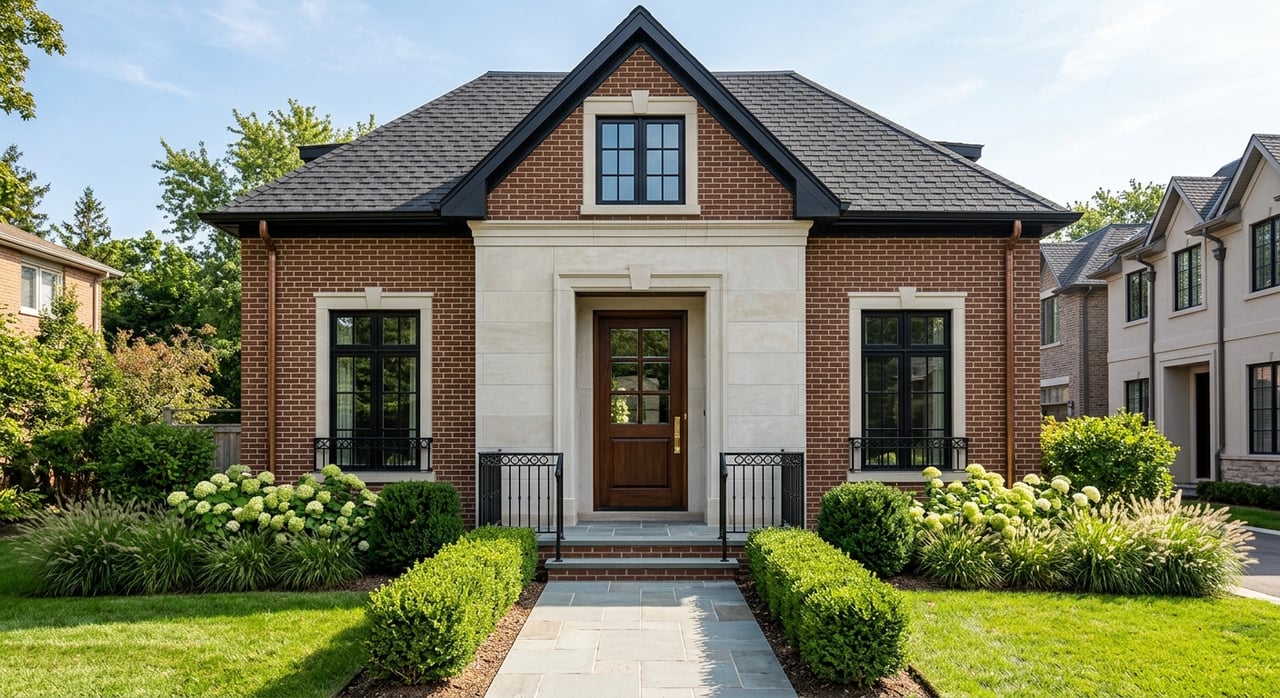
If you love Winnetka but do not need the same amount of space you once did, you are not alone. Many long-time homeowners want a simpler next chapter without giving up the village, the train, or the routines that make daily life feel familiar. The good news is that staying local can be realistic, but it usually takes careful planning in a market this tight. Let’s dive in.
Winnetka offers a rare mix of lifestyle and convenience that can make staying put more appealing than making a bigger move. The village is known for its Lake Michigan setting, beaches, parks, recreation facilities, and three shopping districts. Its downtown is also tied closely to rail access, with three UP-N Metra stations and Pace bus service.
That matters when you are thinking about downsizing. You may want less upkeep, but still want easy access to errands, restaurants, the train, and the community you already know. In a village where many residents have aged in place, that goal is especially understandable.
The local numbers support that picture. Winnetka has a 92.0% owner-occupied housing rate, a median owner-occupied home value of $1,337,800, and 15.9% of residents are age 65 or older. The village’s Futures 2040 plan also notes that Winnetka has largely aged in place, with the average age rising from about 40 to 45 between 2000 and 2020.
The biggest challenge is not whether downsizing is a smart idea. It is whether the right smaller home is available when you need it. In Winnetka, attached housing inventory is limited, which can make a stay-local plan more competitive than many sellers expect.
Current listing snapshots show just how thin that market can be. One search showed only 1 matching condo within Winnetka and 0 townhomes. Even allowing for shifts from week to week, the bigger takeaway is clear: if you want to remain in the village, you may need to act quickly and stay flexible.
Price is another factor. Recent market snapshots reported a median sale price of $1.72 million, a median listing price of $1.9 million, and homes moving in roughly 24 to 29 days. With a 102.1% sale-to-list ratio and 42.9% of homes selling above list price, this is not a market where you can count on a long decision window.
Winnetka’s zoning and planning materials show both single-family and multi-family residential areas, along with business and commercial districts. The village’s design guidelines also specifically address multi-family residential uses. That suggests smaller-home opportunities are more likely to be found in limited pockets, not spread evenly across the entire village.
In practical terms, many stay-local downsizers focus their search near downtown districts and train access. That does not guarantee inventory, but it does align with how the village is physically organized. If your priority is walkability, access to shopping, or easier commuting, those areas often make the most sense to watch closely.
This is where expectations matter. You may need to trade square footage, a certain finish level, or a preferred layout in order to stay in Winnetka. Being clear about your must-haves versus your nice-to-haves can help you move decisively when the right property appears.
Before you browse for a condo or townhome, get specific about your numbers. For many downsizers, the next move is funded in part by the sale of a long-held home. National seller data shows the typical seller is 64 years old, has owned their home for 11 years, and more than half of repeat buyers use proceeds from a previous sale to help fund the next purchase.
That pattern fits many Winnetka homeowners. If you have built substantial equity over time, your next decision should start with net proceeds, not just your current home’s likely sale price. You want to know what you may walk away with after expenses so you can set a realistic purchase ceiling.
A useful planning conversation usually includes:
Once those numbers are clear, your search becomes more focused. You can compare options based not only on price, but also on how the move fits your long-term lifestyle and financial comfort.
In a fast-moving market, timing matters almost as much as price. If your current home sells quickly, but the right smaller home has not appeared yet, you can feel pressure at exactly the wrong time. That is why downsizing in Winnetka works best as one coordinated transition rather than two separate transactions.
Before your home goes live, it helps to define a few key pieces of the plan. Think through your purchase ceiling, your ideal closing window, and what you would do if your sale closes before your next home is ready. Even a simple backup housing plan can reduce stress and give you more negotiating confidence.
A strong downsizing timeline often includes:
This type of preparation is especially important in Winnetka because homes are selling in about a month and often close at or above asking. When supply is limited, preparation gives you options.
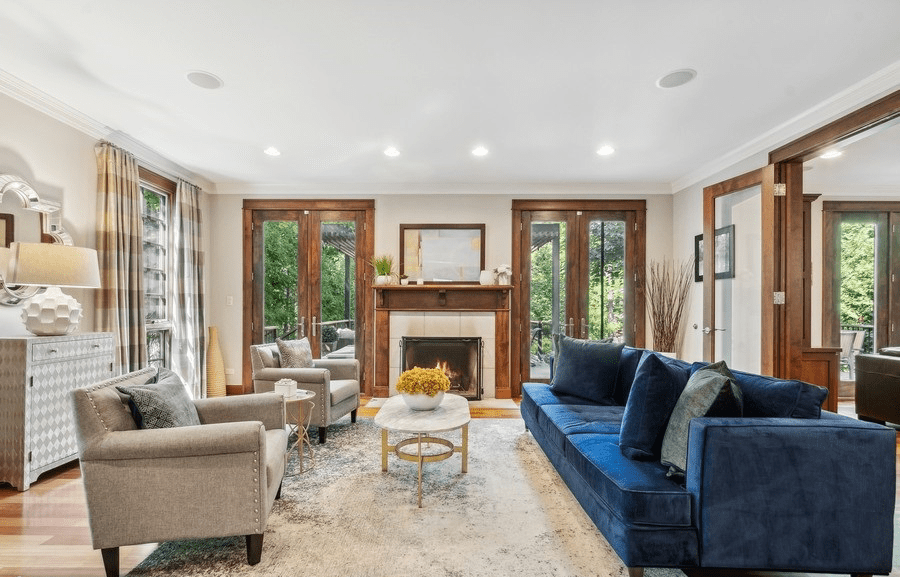
If you have lived in your home for many years, chances are it reflects a lot of personal history. That is meaningful, but it can also make rooms feel more crowded or more specific to your lifestyle than they need to be. Buyers tend to respond best when spaces feel open, clean, and easy to understand.
Staging data supports that approach. In the 2025 staging report, 29% of agents said staging increased the dollar value offered by 1% to 10%, and 49% said staging reduced time on market. The same report also found that 83% of buyers’ agents said staging helped buyers visualize the home as their future home.
For many Winnetka sellers, the most effective early steps are straightforward:
In a higher-end market, presentation matters. If your goal is to sell a larger home and buy a smaller one without losing momentum, a polished launch can help you capture strong interest quickly.
A successful downsize is not only about moving into a smaller home. It is about moving into a home that supports how you want to live now. That might mean fewer stairs, less exterior maintenance, easier lock-and-leave convenience, or proximity to the train and shopping districts.
This is why two homes with similar square footage can feel very different in day-to-day life. Layout, storage, outdoor responsibility, and location within the village can matter just as much as size. The best choice is often the one that makes your routines simpler, not just the one with the lowest maintenance on paper.
If you want to stay in Winnetka, clarity is power. The more clearly you define what this next chapter should feel like, the easier it becomes to recognize the right opportunity when inventory is limited.
If you are 65 or older, property tax relief may be part of your comparison when evaluating whether to stay in your current home or move to a smaller one. In Illinois, the Senior Citizens Homestead Exemption can reduce equalized assessed value by up to $8,000 in Cook County. There is also a Senior Freeze program for qualifying homeowners.
It is important to understand how that relief works. Cook County notes that the Senior Freeze is filed annually and freezes assessed value rather than the final tax bill. For the current filing cycle, Cook County uses a 2024 household income cap of $65,000, while the state notes a $75,000 income cap for tax year 2026.
Because tax rules and eligibility can affect your real monthly cost, this is worth reviewing early in the downsizing process. A smaller home does not always mean a dramatically lower tax burden, so it helps to compare total ownership cost, not just purchase price.
Downsizing while staying local sounds simple until you try to line up inventory, pricing, timing, and sale preparation at the same time. In Winnetka, where available smaller homes can be scarce and the broader market remains expensive and relatively fast-moving, details matter. A clear plan can help you protect both your lifestyle goals and your financial outcome.
That is especially true if you are selling a larger, high-value home and trying to buy strategically in the same village. You need a pricing strategy, strong presentation, realistic timing, and a close eye on the limited inventory that may fit your needs. When those pieces work together, staying local becomes much more achievable.
If you are thinking about your next chapter in Winnetka, The Wexler Gault Group can help you build a downsizing plan that fits your timing, your goals, and the realities of the North Shore market.
CONTACT THE WEXLER GAULT GROUP
THE WEXLER GAULT GROUP
1741 2nd Street Highland Park, IL 60035