Starting a new role on Chicago’s North Shore and eyeing Deerfield or its neighboring suburbs? You want a clear picture of day-to-day life, an efficient commute, and a plan that gets you settled without losing focus at work. In this guide, you’ll learn the lay of the land, from commute choices and employer hubs to housing types and an out-of-town home search plan that fits a tight timeline. Let’s dive in.
Why Deerfield fits work relocations
Deerfield sits about 24 to 28 miles north of downtown Chicago in the North Shore cluster, with easy access to the Lake‑Cook office corridor and U.S. Route 41. You can think of it as a practical base that balances suburban calm with strong corporate access and commuter rail. If you want a concise overview of the village and where it sits within the region, start with the Deerfield, Illinois overview.
On pricing, Deerfield typically lands in the mid to upper range for the suburbs. Zillow reported a typical single‑family home value around $617,700 as of December 2025. Local MLS snapshots in recent periods have hovered near $610,000 to $650,000, depending on neighborhood and home size. Consumer portals have shown median rents in roughly the 2,500 to 2,800 dollars per month range, which is useful if you are comparing to a temporary rental while you house hunt. Prices and inventory shift by season and location, so use these as a starting point and validate for your target property type.
If you are comparing across the North Shore, Deerfield is usually more affordable than high‑end lakefront communities like Lake Forest, Winnetka, and Glencoe. For context, Zillow has shown Lake Forest’s typical home value above 1 million dollars in recent snapshots. Many transferees use Deerfield as a middle ground that offers strong corporate access, two Metra stations, and established single‑family neighborhoods.
Commute options at a glance
Your commute will shape daily life, so map it first. In the Deerfield area, you will lean on Metra’s Milwaukee District North line, driving via the Edens or Tri‑State corridors, or a mix with Pace shuttles.
Metra MD‑N: reliable rail to the city and corridor
- Line: The Milwaukee District North line connects Deerfield to Chicago Union Station with frequent weekday service. Review the current schedule and alerts on the Metra MD‑N line page.
- Stations: Deerfield has two stations that matter to most commuters: Deerfield Station in the village center and Lake‑Cook Road Station, which serves the Lake‑Cook corridor office parks. The village outlines rail details and commuter parking options on its Rail and Trains page.
- Travel time: The ride to downtown varies by train but commonly runs about 45 to 60 minutes, depending on local or express service and the time of day. If your office has hybrid days, match your in‑office days to trains that fit your schedule and family routine.
Driving: Route 41, I‑94 and I‑294
- Road network: Deerfield sits just west of U.S. Route 41, with quick connections to I‑94 and I‑294 toward Chicago and O’Hare. The village offers helpful route notes and typical patterns on its Highways page.
- Timing: Drive times vary widely by rush hour and construction season. If driving matters to you, test the door‑to‑door trip at 7 to 9 am and again at 4 to 6 pm from any target neighborhood.
Airport access: O’Hare
O’Hare International Airport is the go‑to for business travel. Depending on traffic and route, many travelers see about 20 to 40 minutes from Deerfield. For a baseline estimate between Deerfield and ORD, check the Travelmath drive‑time calculator, then test your exact route at your usual departure times.
Buses and shuttles: the “last mile”
Pace serves suburban routes across the North Shore, including the Lake‑Cook “shuttle‑bug” style services that connect Metra stations to nearby office parks. Employers often partner on these last‑mile links. You can review Pace policy and system details on the Pace Bus site. If your company offers a dedicated shuttle from a Metra lot, you may not need to drive daily.
Commuter planning checklist
- Test your exact commute at peak times using live traffic navigation on the days you plan to be in the office.
- If you plan to use Metra, identify the specific inbound and outbound trains you will ride on your in‑office days.
- Review Deerfield station parking rules and any pay‑by‑phone options before you move.
- Ask HR about commuter benefits, Metra subsidies, and shuttle access from Lake‑Cook Road or Deerfield stations.
Who employs here: the Lake‑Cook corporate cluster
Deerfield and the Lake‑Cook corridor host a dense network of healthcare, pharmaceutical, retail, and insurance employers. That corporate gravity is a core reason transferees choose this area.
- Walgreens Boots Alliance: The company maintains its corporate headquarters in Deerfield, a major local employment anchor. See corporate background on the Walgreens media resources page.
- Baxter International: Baxter operates a large Deerfield campus and frequently lists Deerfield roles on its Baxter jobs site.
- Takeda Pharmaceuticals: Takeda’s U.S. operations include a Deerfield campus, cited in corporate legal identifiers like the Bloomberg LEI record.
- Nearby North Shore employers: Regional insurance and technology employers add to the local job base. For example, Allstate has long maintained a major presence in nearby Northbrook, which you can confirm via the Allstate corporate overview.
When you coordinate with HR, ask whether your company offers parking reimbursements, Metra or shuttle programs, temporary housing, and a local broker introduction or relocation vendor. These details can shorten your timeline and simplify choices.
Neighborhoods and housing types
Deerfield offers a mix of station‑adjacent options, traditional single‑family neighborhoods, and nearby higher‑end alternatives on the North Shore.
- Station‑adjacent living: You will find condominiums, townhomes, and smaller single‑family lots near Deerfield Station and Lake‑Cook Road Station. If walkability to Metra is a priority, start here. The village’s Rail and Trains page outlines station access for planning.
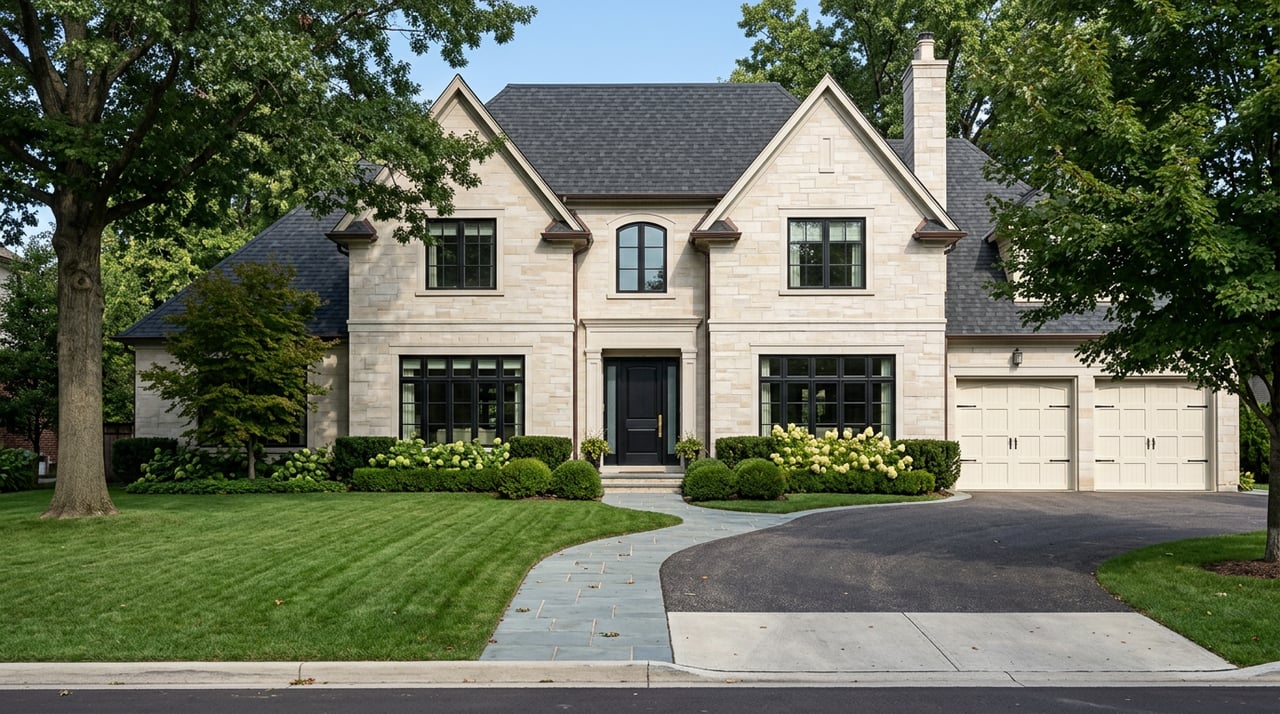
- Traditional single‑family neighborhoods: Tree‑lined streets with 3 to 5 bedroom homes are common in Deerfield’s established subdivisions. Price bands vary by lot size, updates, and location relative to commercial corridors.
- Higher‑end alternatives: Nearby lakefront towns such as Lake Forest, Winnetka, and Glencoe feature larger lots and higher price points. If you prefer a shorter commute to Lake‑Cook offices with a more moderate budget, Deerfield often balances those tradeoffs.
Schools come up in nearly every conversation. Elementary and middle schools in the area align to Deerfield District 109, and high school students attend Township High School District 113. Boundaries can change, so always verify the most current maps directly with the districts. Keep your language neutral and your criteria focused on commute, program offerings, and logistics.
How to run an out‑of‑town search
If you are moving on a corporate timeline, a structured plan saves you weeks.
Step 1: Set the brief before you visit
- Secure a lender pre‑approval so you can move fast if the right home appears.
- Build a 2‑page checklist that captures commute tolerance, bedroom and bath minimums, lot size, and must‑have items.
- Confirm office days and hours with HR. Hybrid schedules can change your commute math and your willingness to live farther from Metra.
- Ask HR if your company partners with a relocation vendor or has a preferred local broker list.
Step 2: Narrow your list virtually
- Partner with a local agent to pre‑screen homes and request full video walkthroughs and floor plans.
- Have your agent provide timed drive tests from prospective homes to your office during peak hours.
- Review recent disclosures or inspection reports where available so you can filter out likely deal breakers early.
Step 3: Plan a focused 24–48 hour visit
- Day 1: Commute test in the morning, then tour 3 to 4 homes aligned to your corridor or station choice. Ride Metra at least once to gauge platforms, parking, and boarding.
- Day 2: Return to top contenders, then meet or speak with your lender and inspector to align on timing and any special conditions.
- Consider temporary housing near a Metra station if you need more time. A short‑stay option reduces pressure and keeps your commute simple while you finalize a purchase.
Step 4: Offers, inspections, and closing
- Expect competition for well‑priced homes. Terms such as possession date, inspection window, and earnest money can be as important as price.
- Use contingencies strategically and coordinate with your lender and attorney. Remote signings are common, but build in time for title and appraisal.
- Keep a calendar that tracks key milestones. Align your closing with your first in‑office week if possible, or use temporary housing as a buffer.
HR partner checklist
If you are supporting transferees, a simple package improves outcomes and speeds decisions.
- Curated broker list with local North Shore expertise and relocation capacity.
- Temporary housing suggestions near Metra or near the campus.
- Sample commute comparisons that show drive times and MD‑N train options for common neighborhoods.
- A one‑pager on local school districts and where to verify boundaries and program information.
- Property tax links to the county assessor and clear notes on reimbursement or settlement services.
Budgeting and timing tips
- Use the mid‑six‑hundreds as a quick Deerfield single‑family reference, then refine by neighborhood, lot size, and condition.
- If your budget targets a station‑adjacent condo or townhome, compare carrying costs to a short‑term rental in the 2,500 to 2,800 dollar range.
- Build a 60 to 75 day window from offer to close if financing, then add a buffer for corporate move logistics.
- If you plan international or frequent domestic travel, test the O’Hare route at the times you actually fly. This can influence whether you prioritize quick access to I‑294 or Metra.
Your North Shore partner for a smooth move
Relocating for work is a high‑stakes decision, and the details matter. You deserve a team that understands the Lake‑Cook corridor, Metra access, and how to run a tight, out‑of‑town search while you focus on your role. If you want partner‑level guidance, curated options, and white‑glove coordination from first call to closing, connect with The Wexler Gault Group. We will help you compare neighborhoods, plan your commute with confidence, and secure the right home on your timeline.
FAQs
How long is the Metra ride from Deerfield to downtown Chicago?
- On the Milwaukee District North line, many riders see 45 to 60 minutes to Chicago Union Station, depending on train and time of day. Check current schedules before you ride.
Which Deerfield train stations serve commuters?
- Deerfield Station in the village center and Lake‑Cook Road Station serve most commuters, with parking and Pace connections available.
How far is O’Hare from Deerfield for business travel?
- Many travelers see about 20 to 40 minutes depending on traffic and route. Always test your exact door‑to‑door time near your typical flight schedule.
What major employers are near Deerfield?
- Examples include Walgreens Boots Alliance in Deerfield, Baxter International’s Deerfield campus, Takeda Pharmaceuticals’ Deerfield operations, and Allstate in nearby Northbrook.
What are typical home prices and rents in Deerfield?
- Recent snapshots place single‑family values in the mid‑six‑hundreds, with consumer portals showing median rents around 2,500 to 2,800 dollars per month. Validate for your target home type.
Are there shuttles from Metra to the Lake‑Cook office parks?
- Yes. Pace and employer‑run shuttle services operate in the Lake‑Cook corridor to connect Metra stations with nearby campuses. Ask HR about dedicated options.
Which school districts serve Deerfield?
- Elementary and middle schools align with Deerfield District 109, and high school students attend Township High School District 113. Always verify the current boundaries directly with the districts.