Thinking about trading city living for more space and an easier commute? If Glenview is on your list, you’re in good company. Dual‑income households choose it for reliable train access, strong park and recreation options, and a wide mix of homes that fit different budgets and lifestyles. In this guide, you’ll learn how long common commutes take, how Glenview’s neighborhoods differ, what to expect at typical price bands, and how to time a spring move without unnecessary stress. Let’s dive in.
Commute options from Glenview
A smoother commute often tops the list when you relocate. Glenview gives you several choices that you can tailor to your schedule and comfort.
Metra MD‑N at a glance
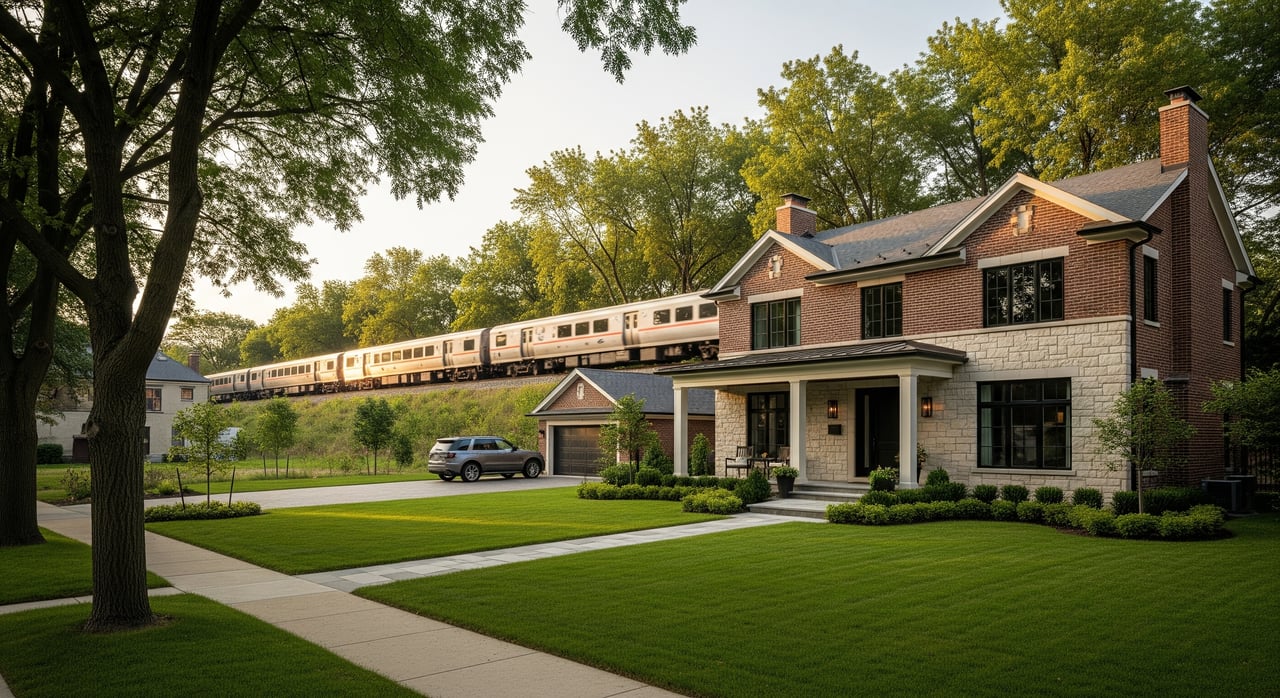
Glenview is served by Metra’s Milwaukee District North line, with two in‑town stations: the main Glenview station and West Glenview. Weekday rush-hour service is frequent, with reduced off‑peak trains. Typical one‑way rides to downtown Chicago’s Union Station range from about 20 to 40 minutes depending on express or local stops. For current times and express options, check the official Metra schedule and alerts before you commute.
Stations offer commuter parking with permit or paid options. Availability varies by lot and time of day, so plan to arrive early until you learn the rhythm of your preferred train. For parking rules and updates, visit the Village of Glenview website.
Driving and highway access
If you drive, you’ll have straightforward highway options. I‑294 (Tri‑State Tollway) runs along Glenview’s west side, and local arterials connect to I‑94 for city and North Shore access. Plan for about 25 to 45 minutes to downtown Chicago depending on traffic and time of day. O’Hare is typically a 10 to 25 minute drive from most parts of Glenview, again depending on conditions. If you use tollways often, factor toll costs into your monthly commute budget.
Last‑mile and station logistics
Many residents walk or bike to the train in the downtown and The Glen areas. Other subdivisions are car‑forward, so you might drive to a station, arrange a kiss‑and‑ride, or combine Metra with local bus connections. If you plan to bike, check local maps for bike lanes and trail links, and do a test ride during the times you would normally travel.
Glenview neighborhoods fit different lifestyles
Glenview offers a range of neighborhood types. As you explore, focus on your commute priorities, house type, and daily routine.
The Glen
The Glen is a master‑planned, mixed‑use area built on the former Naval Air Station site. You’ll find newer single‑family homes, townhomes, and condo buildings mixed with retail, restaurants, parks, and community amenities. It can be a good fit if you want newer construction, nearby open space, and walkable conveniences.
Downtown and central Glenview
Near the main Metra station, central Glenview offers a traditional village feel with sidewalks, local shops, and restaurants. Housing includes older bungalows, colonials, and a handful of condo options. If you want to prioritize walk‑to‑train access and a compact daily routine, start your search here.
Established single‑family areas
North, west, and other established pockets offer tree‑lined streets and larger yards. Homes range from mid‑century to newer infill, typically with 3 to 5 bedrooms and finished basements. These neighborhoods suit buyers seeking more space while staying within a reasonable drive or bike ride to stations and parks.
Estate pockets and golf‑adjacent homes
If you prefer privacy, larger lots, and custom finishes, Glenview also includes higher‑end pockets close to country clubs or golf courses. These homes often have larger footprints, expansive yards, and refined features that appeal to buyers who want upscale indoor and outdoor living.
Condos and townhomes
You’ll find condos and townhomes throughout town, including downtown and The Glen. Many offer lower‑maintenance living with shared amenities and HOA coverage for exterior care, snow removal, and landscaping. These can work well if you want a simple commute and less hands‑on upkeep.
What you get at common price bands
While exact prices change with the market, these planning bands will help you match your budget to likely home types. Always verify current inventory and recent sales when you’re ready to write offers.
Entry‑level condos and townhomes
- What to expect: 1 to 3 bedrooms, lower maintenance, and HOA‑managed amenities. Walkability is a common draw, especially in The Glen or near downtown.
- Tradeoffs: HOA dues add to your monthly budget, and private outdoor space is limited.
Starter single‑family homes
- What to expect: 2 to 3 bedrooms on small to medium lots. Many older homes have charm and may need cosmetic updates or reconfigured layouts.
- Tradeoffs: A more affordable step into single‑family living with room to add value through improvements.
Move‑up family homes
- What to expect: 3 to 5 bedrooms, finished basements, more living space, and larger yards near schools and parks. This is a core segment for many dual‑income families.
- Tradeoffs: Higher purchase price and property taxes, balanced by space for work‑from‑home and activities.
Premium and estate properties
- What to expect: Larger lots, custom or newer builds, and proximity to club amenities in select pockets.
- Tradeoffs: Higher price and carrying costs with the benefit of privacy and high‑end features.
Commute tradeoffs by band
Walk‑to‑Metra areas often include condos, townhomes, and smaller single‑family homes. As you move farther from stations, you’ll see larger lots and houses with a short drive to the train or direct highway access. The Glen tends to sit in the middle, with newer homes and mixed transit options.
Time a spring move without the scramble
If your family is targeting an April to June move, start early. A 6 to 9 month runway gives you time to prep your sale, align financing, and secure the right home in Glenview.
Your 6–9 month planning window
Starting in the fall or early winter for a late‑spring move helps you coordinate both sides of the transaction and account for seasonality. You can prep your city home for market while you preview Glenview inventory and test commutes at your actual rush‑hour times.
Example timeline for a May move
- 9 months out (Aug–Sept)
- Test commute options on the Milwaukee District North line and by car.
- Shortlist neighborhoods and schools based on your daily routine.
- Interview your real estate team for both the sale and the Glenview purchase.
- Get a lender pre‑qualification to understand budget and payment comfort.
- 6 months out (Oct–Nov)
- Complete repairs, decluttering, and a staging plan for your sale.
- Set your ideal listing window with market analysis from your agent.
- Start touring Glenview homes and narrow to your top property types.
- 4 months out (Jan–Feb)
- If selling first: list to capture spring buyers and aim for a spring closing.
- If buying first: pursue pre‑underwriting to strengthen offers.
- Decide on your contingency approach with your agent and lender.
- 2–3 months out (Mar–Apr)
- Accept offers and open escrow. Typical closings run 30 to 45 days.
- Coordinate inspection, appraisal, title, and your mortgage rate‑lock timing.
- If needed, plan short‑term housing or negotiate a seller rent‑back.
- Move month (Apr–May)
- Close on your sale and purchase per your contracts and complete the move.
Sell first, buy first, or use contingencies
- Sell first
- Pros: Less risk and clarity on your net proceeds. You can move quickly on your purchase once you close.
- Cons: You may need temporary housing if dates do not align.
- Buy first
- Pros: You secure the home you want, which can be critical in a competitive spring market.
- Cons: You may need bridge financing or the ability to carry two mortgages for a short period.
- Sale contingency
- Pros: Lets you write offers without closing your sale first.
- Cons: Less competitive, since many sellers prefer offers with fewer contingencies.
Financing moves that reduce stress
- Pre‑approval vs. pre‑underwriting: Full documentation and pre‑underwriting can strengthen your offer and help you close on schedule.
- Rate strategy: Mortgage rates move. Ask your lender about rate locks aligned with your expected closing window.
- Bridge options and HELOCs: Short‑term loans can cover timing gaps but come with costs and underwriting requirements.
Practical tips and local resources
- Schools and assignments: Much of Glenview feeds into Glenbrook South High School in District 225, while elementary and middle schools vary by address in District 34 and others. Verify assignments and review performance data through the statewide Illinois Report Card.
- Parks and programs: The Glenview Park District runs parks, pools, athletics, and community programs that many families use year‑round.
- Property taxes and records: Glenview is in Cook County. Review tax history and assessments with the Cook County Assessor. Ask your agent for recent examples tied to your target neighborhoods.
- HOAs and carrying costs: If you are considering condos or townhomes, understand what the HOA covers, monthly dues, and reserve health. This affects overall affordability.
- Insurance and flood awareness: Review flood maps and request the seller’s insurance claim history when you are serious about a specific property.
- Commute tests: Ride an early train to see platform crowds and parking, or drive at your true rush hour. Use the official Metra site for timetables and current alerts. For station parking rules, visit the Village of Glenview.
Your next step
Relocating to Glenview can be smooth and predictable with the right plan. If you start 6 to 9 months out, test your commute, and match your budget to the right neighborhood, you will be ready to act when the right home hits the market. If you want a partner to coordinate your sell‑and‑buy, align timelines, and keep your spring move on track, reach out to The Wexler Gault Group for a Complimentary Home Consultation.
FAQs
How long is the Metra ride from Glenview to downtown?
- During weekday rush hours, the Milwaukee District North line typically takes about 20 to 40 minutes to reach Union Station depending on express vs. local stops. Always confirm current times on the Metra site.
Which Glenview neighborhoods offer the best walk‑to‑train access?
- Downtown and central Glenview near the main station, plus selected areas in The Glen, offer the most walkable options. Confirm station distance and your personal walking time during a test visit.
How should a dual‑income family time a spring move?
- Start 6 to 9 months ahead. Prep your sale in fall or early winter, tour Glenview inventory in winter, and aim to go under contract in late winter or early spring for an April to June closing.
Is it better to sell first or buy first when moving to Glenview?
- It depends on your financial flexibility and market conditions. Selling first lowers risk but may require temporary housing. Buying first secures your target home but can require bridge financing or carrying costs.
What should I know about schools when choosing a Glenview home?
- Much of Glenview feeds into Glenbrook South High School in District 225, while elementary and middle boundaries vary by address. Verify assignments with the district and consult the Illinois Report Card for up‑to‑date data.
What local resources should I use for taxes, parks, and parking?