Staging Your Highland Park Home To Stand Out
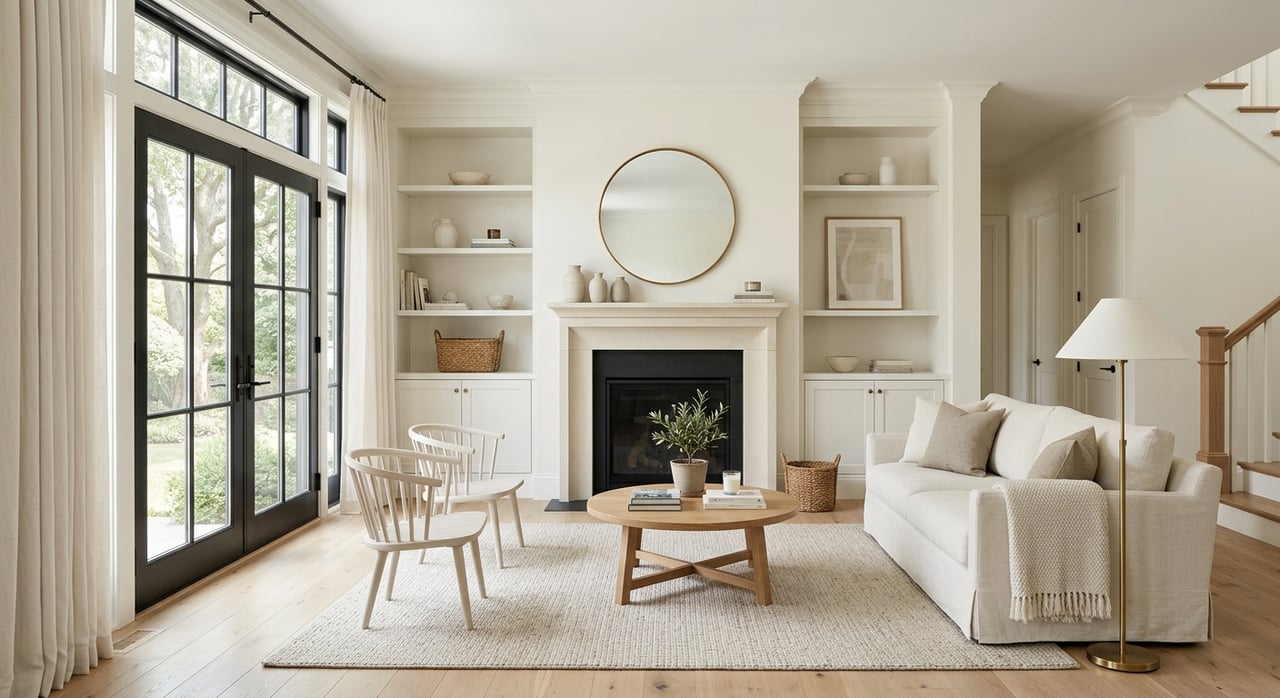
If your Highland Park home has great bones but still is not making the impact you want, staging may be the missing piece. In a historic Rock Island district known for brick streets, architect-designed homes, and strong original character, buyers are not just looking at square footage. They are responding to how clearly your home’s light, layout, and period details come through. Here’s how to stage your home so it feels polished, inviting, and true to Highland Park’s architectural character. Let’s dive in.
Highland Park is not a one-size-fits-all neighborhood. City materials describe it as a bluff-top historic district with architect-designed homes, brick streets, and a high level of original integrity. It is also Rock Island’s only locally designated historic residential district.
That context matters when you prepare your home for sale. In Highland Park, staging works best when it highlights what already makes the home special instead of covering it up with overly trendy décor. Your goal is to help buyers notice the architecture, proportions, and setting from the first photo to the final showing.
National Association of Realtors data supports the value of that effort. In its 2025 staging report, 83% of buyers’ agents said staging makes it easier for buyers to picture a property as their future home. The same report found that about half of sellers’ agents said staged homes sold faster, and more than a quarter of real estate professionals reported that staged homes saw offered values increase by 1% to 10%.
Before you think about furniture placement or accessories, focus on the basics. Staging includes cleaning, decluttering, repairing, depersonalizing, and updating. In many cases, that reset does more for your sale than any decorative finishing touch.
If you need to prioritize, start with the rooms that matter most to buyers. According to NAR’s 2023 staging report, the most commonly staged rooms were the living room, kitchen, primary bedroom, dining room, and bathroom. Those spaces usually offer the strongest return on your time and budget.
Buyers tend to notice what interrupts the experience of the home. That can mean crowded shelves, dusty light fixtures, burnt-out bulbs, or deferred maintenance that pulls attention away from the room itself. A clean, functional, bright home gives buyers fewer reasons to hesitate.
As you prep, keep this checklist simple:
NAR’s photo guidance also points to a few easy-to-miss distractions. Things like open toilet lids, TVs left on, crowded bookcases, and cliché props can make listing photos feel busy. In a home with historic character, less visual noise usually creates a stronger result.
One of the biggest staging mistakes in a historic district is trying to force every home into the same look. Highland Park includes homes influenced by Queen Anne, Classical Revival, Foursquare, Craftsman, Colonial Revival, Spanish Mission, and bungalow styles. Rock Island’s broader historic housing stock also includes Prairie and Tudor Revival homes.
That means your staging should support the architecture you have. Instead of masking original materials or loading rooms with décor, aim to make the home’s style easier to read.
Queen Anne homes often feature irregular shapes, bay windows, steep roofs, decorative gables, and detailed chimneys. Some examples are richly ornamented, while others are simpler. Inside and out, calm staging usually works best because it keeps the visual field from feeling too busy.
Use restraint with accessories and avoid adding extra layers of pattern or ornament. Let windows, millwork, fireplace details, and room shape do the work.
Colonial Revival homes are known for symmetry, formal entries, decorative door surrounds, and multi-pane windows. In these homes, staging should reinforce order and balance. Matching lamps, centered furniture groupings, and a clean, intentional entry can help buyers feel that sense of structure.
If the front façade is balanced, your interiors should echo that feeling. The more cohesive the arrangement, the more the home’s architecture can shine.
Prairie and Foursquare homes tend to emphasize horizontal lines, wide eaves, porches, and strong proportions. In these spaces, tall or bulky furniture can break up the flow. Lower-profile pieces and open sightlines usually work better.
Try to keep pathways clear and furniture scaled to the room. When buyers can easily see across the space, the home often feels larger and more consistent with its design.
Craftsman and bungalow homes often benefit from warm neutrals, natural textures, and practical porch styling that feels usable without feeling crowded. These homes are typically simple and welcoming, so staging should stay grounded and comfortable.
Tudor Revival homes often feature steep rooflines, masonry, tall chimneys, and narrow multi-paned windows. For those homes, lighting matters. Good lighting can draw attention to masonry and window details without competing with them.
Highland Park’s historic character is part of the value buyers are considering. City materials specifically connect preservation to stabilizing property values and maintaining distinctive architectural and landscape characteristics. That makes original details more than a design bonus. They are part of the home’s appeal.
When you stage, try to frame original features instead of hiding them. Built-ins, brickwork, wood trim, windows, fireplaces, and porch details should stay visible whenever possible. If a large piece of furniture blocks an important element, it may be worth removing or replacing it.
Think of staging as editing. You are not trying to reinvent the home. You are helping buyers see the home more clearly.
In Highland Park, curb appeal carries extra weight. The neighborhood’s setting and historic streetscape are part of what makes it memorable. Buyers often form an opinion before they ever step inside.
Porches are especially important in historic homes. Rock Island’s design guidance notes that porches are a key visual element in nearly all historic styles. That means your front approach should feel intentional, tidy, and welcoming.
You do not need an elaborate exterior makeover to make a strong impression. In fact, simpler is often better in a historic district. Focus on maintenance, cleanliness, and a clear sense of arrival.
A smart exterior checklist includes:
If you are considering changes beyond temporary décor, pause before making them. In Highland Park Historic District properties, many exterior alterations may require a Certificate of Appropriateness from the city. City guidance notes that changes affecting windows, siding, doors, porches, decorative elements, decks, garages, roof features, fences, driveways, and some trees may require review, while routine repairs, repainting, color changes, and minor landscape alterations are exempt.
Staging is not finished when the room looks good in person. It is finished when the home is fully ready for photography. That matters because most buyers begin online, and photos strongly influence which homes they decide to visit.
NAR reports that more than 90% of buyers search online and that 85% say photos are the most important factor in deciding which homes to view. If your listing photos are dark, cluttered, or inconsistent, your home can lose momentum before buyers ever schedule a showing.
Photo day should reflect the final, polished version of your home. That means clean surfaces, balanced lighting, dust-free rooms, and thoughtful background styling. It also means removing anything that feels accidental or distracting.
A few final photo-day tips:
Wide-angle photography can help rooms feel spacious, but it should still look realistic. Buyers want the home they see online to match what they experience in person.
If your home is vacant, leaving it completely empty may work against you. NAR notes that empty rooms can feel smaller and less inviting. Even a limited amount of furniture and accessories can help buyers understand how a room functions.
Virtual staging can also help, especially for vacant homes or early online marketing. Still, it works best as a supplement rather than a full replacement for in-person presentation. If buyers arrive and the home feels very different from the listing photos, trust can erode quickly.
The best approach is a believable one. Whether your home is fully furnished, lightly staged, or virtually enhanced online, the presentation should support how the home actually lives.
The strongest staging results usually come from a clear plan. One practical workflow is simple: you handle the purge, a stager helps shape the room plan, the photographer captures the final presentation, and the listing team makes sure everything is ready before the first image goes live.
That kind of coordination matters most when you want your listing to feel polished from day one. In a neighborhood like Highland Park, where architecture and setting carry real weight, small details can shape a buyer’s entire impression.
When your home is prepared thoughtfully, staging does more than make it look nice. It sharpens the story your home is already telling.
If you are thinking about selling and want a strategy that respects your home’s character while presenting it at its best, The Wexler Gault Group can help you plan your next steps with care and clarity.
CONTACT THE WEXLER GAULT GROUP
THE WEXLER GAULT GROUP
1741 2nd Street Highland Park, IL 60035