Wilmette Lakefront Homes Guide for Savvy Buyers
Dreaming of morning sun over Lake Michigan and evening walks at Gillson Beach? Buying on the Wilmette lakefront can deliver an incredible lifestyle, but the shoreline also brings unique rules, maintenance and due diligence. In this guide, you’ll learn what to look for, what to budget, and how to protect your investment from day one. Let’s dive in.
Wilmette’s public lakefront centers on Gillson Park and Beach, a community hub for swimming, sailing and lakeside events. The Wilmette Park District manages beach operations, passes and parking, which shapes daily access and activity near your home. Explore the amenities and operations at the park district’s overview of Gillson Park and Beach.
At the south end of Gillson, Wilmette Harbor offers seasonal moorage and marina services that add to the nautical feel and convenience for boaters. If you plan to keep a vessel, review visitor and membership details from the Wilmette Harbor Club.
Most lake‑adjacent homes cluster along Sheridan Road, Michigan Avenue and short side streets. Inventory is limited compared with in‑town neighborhoods, which supports long‑term value. The shoreline sits in a low‑bluffs reach where seawalls and revetments are common, a factor that affects erosion patterns, beach width and permitting, as noted in Illinois EPA shoreline reporting for local beaches around Gillson Park.
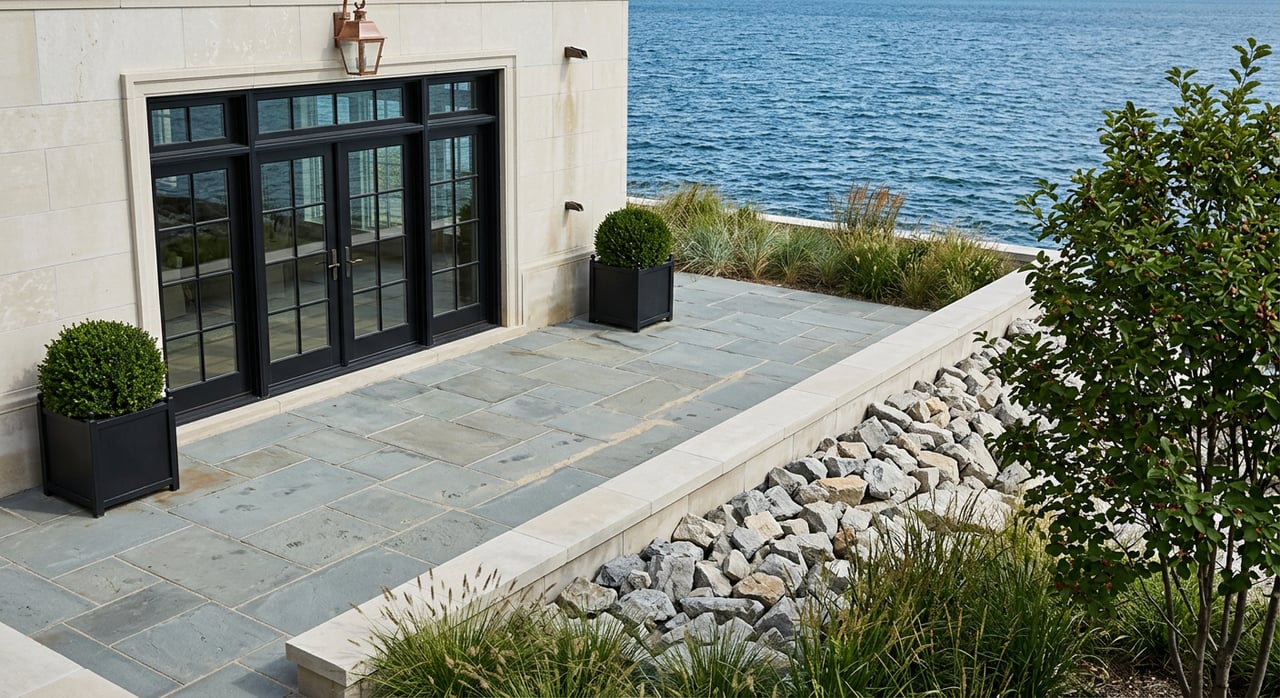
Your biggest site‑specific exposure is shoreline protection. Seawalls, revetments and other systems face ice, wave energy and freeze‑thaw cycles. Look for signs of undermining, settlement behind the wall, cracking or spalling. Because repair costs vary widely by material and site access, bring in a marine contractor or coastal/structural engineer before you finalize price or contingencies. Federal guidance shows hard structures can cost orders of magnitude more than typical home repairs, and the right inspection can save you from a surprise capital project.
Confirm sump pump capacity, backup power, discharge routing and the elevation of the lowest floor. If the property sits in a mapped flood area, you will need an elevation certificate and early flood insurance quotes. Start with the Village’s page on FEMA Flood Maps and floodplain requirements to request a FIRMette for the address.
If a private dock or lift is present, verify it was permitted and inspected, including GFCI for any electrical work near the water. Slip rights at Wilmette Harbor are usually separate from a home sale and may involve waitlists or association rules. Review the harbor’s visitor and membership guidance at the Wilmette Harbor Club, and get clarity on what, if anything, transfers with the property.
Lakeshore microclimates often mean higher humidity and more freeze‑thaw cycling. Expect more frequent exterior maintenance on metal and wood elements, plus careful attention to HVAC, dehumidification and window seals. Wilmette is largely on municipal sewer, but confirm service type and any private system details during inspection.
The Village posts FEMA Flood Insurance Rate Map panels and requires specific documentation for homes in mapped flood areas. If the address is in a Special Flood Hazard Area, lenders typically require flood coverage. The Village’s FEMA Flood Maps page is your starting point for address‑level data and code references.
Lake Michigan shoreline work often requires state and federal authorization. The Illinois Department of Natural Resources and the U.S. Army Corps of Engineers review many projects, with local village review layered in. Ask for the full permit history for any seawall, revetment, dock or major shoreline change, and reference IDNR’s permit documentation for the Chicago lakefront corridor to understand the process and standards. Begin with IDNR’s permit application guide.
Illinois shorelines follow public‑trust principles for navigation, fishing and recreation. Boundaries and rights can be fact‑specific. Confirm recorded easements, any municipal access rights and permit history, and ask your attorney to review title for any shoreline‑related restrictions.
Flood insurance is separate from a standard homeowner policy. If your home secures a loan and sits in a FEMA Special Flood Hazard Area, your lender must verify appropriate flood coverage. Private flood options may differ from NFIP policies in limits and features, so compare quotes early. See the interagency guidance on lender rules from the Federal Reserve’s flood insurance Q&A.
Waterfront typically commands a premium, and proximity matters. Peer‑reviewed research shows a measurable price boost within about 100 meters of a clean, amenity‑rich shoreline, with the effect declining as you move inland. Water quality and direct access play a meaningful role, as summarized in the literature on waterfront premiums and environmental quality.
Great Lakes water levels also cycle through multi‑year highs and lows, which can influence shoreline stability and maintenance plans. For context on recent and historic levels, review NOAA’s Great Lakes water‑level data. Because Wilmette lakefront inventory is small and sales are episodic, rely on fresh, address‑level comparable sales for pricing and strategy.
Use this short list to structure your due diligence before you finalize terms:
Buying on the lake is both a lifestyle choice and a strategic investment. With the right due diligence and a clear plan for maintenance and insurance, you can enjoy the best of Wilmette’s shoreline with confidence. If you want a second set of eyes on comps, permits and inspections, connect with the local team that knows this coastline well. Reach out to The Wexler Gault Group for a thoughtful, no‑pressure consultation on your next move.
CONTACT THE WEXLER GAULT GROUP
THE WEXLER GAULT GROUP
1741 2nd Street Highland Park, IL 60035